

 +1.844.3539.746
 info@flexsin.com
 Munesh Singh
Staying ahead of potential health issues is paramount for healthcare providers. Traditional diagnostic methods often fall short when it comes to predicting diseases before they become critical. Enter AI predictive diagnosis, a game-changing tool that empowers healthcare providers to forecast patient outcomes, detect potential risks early, and ultimately save lives. However, many businesses struggle to implement AI-powered solutions due to challenges in customization, integration, and scalability.
As businesses continue to navigate the complexities of AI adoption, especially in healthcare, the pressure to maximize ROI becomes critical. AI predictive diagnosis can be a significant investment, but its long-term value is unparalleled. Whether it’s reducing costs, improving operational efficiency, or enhancing patient care, the benefits are clear. However, maximizing this value often requires expert guidance and a strategic approach.
1. Understanding AI Predictive Diagnosis
For many businesses, the journey to AI predictive diagnosis can seem daunting. The first step is understanding the basics of AI and how predictive analytics work within healthcare systems. AI predictive diagnosis uses machine learning algorithms to analyze vast amounts of patient data, such as medical records, lifestyle factors, and even genetic information, to predict the likelihood of certain health events or conditions.
The challenge for most businesses lies in selecting the right tools and integrating them effectively into their existing infrastructure. Many healthcare systems are still relying on outdated software, and the thought of overhauling their entire setup can be overwhelming.
Flexsin’s consultants guide businesses through the process, from understanding the key concepts behind AI predictive diagnosis to implementing scalable solutions that fit their unique needs. With expertise in system integration, our consulting services ensure that healthcare organizations can improve healthcare outcomes without disrupting their existing workflows.
Save Money and Improve Care
In the competitive healthcare industry, reducing costs while improving outcomes is a key objective. AI predictive diagnosis enables businesses to detect potential health risks early, reducing unnecessary tests, hospitalizations, and treatment costs. Additionally, early disease detection often leads to better treatment outcomes, which not only benefits patients but also improves a healthcare provider’s reputation, leading to increased patient retention and growth.
AI also plays a significant role in optimizing healthcare workflows. By automating routine tasks such as data entry and analysis, businesses can free up resources and reduce operational costs. However, without the right strategy and tools in place, these benefits can be hard to realize. AI predictive diagnosis consulting helps businesses develop customized solutions that maximize cost efficiency while maintaining a high level of patient care.
Why Healthcare Providers Should Integrate AI for Diagnostic Analysis?
For enterprises looking to scale their healthcare services, the integration of AI predictive diagnosis is not just a luxury; it’s a necessity. As patient expectations evolve and technology advances, businesses that fail to adopt AI-powered solutions risk falling behind their competitors. Here are the top reasons why AI predictive diagnosis consulting is critical for growth:
Improved Decision-Making:AI empowers healthcare professionals with data-driven insights, helping them make more accurate decisions faster. This results in quicker diagnoses, fewer errors, and more efficient care.
Personalized Healthcare:AI enables the development of personalized treatment plans, tailoring care to individual patients based on their unique health data. This enhances patient satisfaction and improves treatment efficacy.
Scalability:As healthcare systems expand, AI can handle increasing amounts of data and improve diagnostic accuracy, ensuring businesses can grow without compromising service quality.
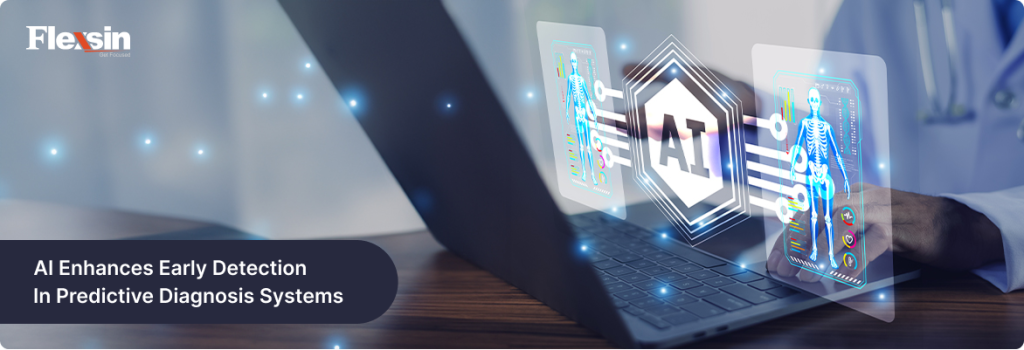
2. Addressing Customization, Integration, and Scalability Challenges
Implementing AI predictive diagnosis in healthcare is not without its challenges. From ensuring that the technology aligns with business goals to managing the integration of complex systems, organizations face several hurdles. However, overcoming these challenges is possible with the right consulting services.
Customizing for Unique Patient Needs
One of the primary challenges businesses face when adopting AI predictive diagnosis is customization. No two healthcare systems are identical, and each has its own set of processes, regulations, and patient needs. To be effective, AI solutions must be customized to align with the specific requirements of each organization.
For example, a hospital network may need AI tools that integrate seamlessly with their electronic health records (EHR) systems, while a small private practice may prioritize predictive tools that help with disease forecasting based on limited patient data. Flexsin Technologies excels at developing custom AI solutions that fit within an organization’s existing infrastructure, ensuring that predictive diagnosis tools are both practical and effective.
Seamlessly Integrating with Existing Healthcare Systems
Integrating AI predictive diagnosis into an existing healthcare system is often a complicated process, especially for larger organizations with diverse systems and processes. AI tools must be compatible with legacy systems, which can be difficult if the technology is outdated or poorly maintained. A successful integration requires careful planning, testing, and sometimes, the adoption of new infrastructure to support AI-driven solutions.
AI predictive diagnosis helps businesses navigate these complexities by providing seamless integration strategies. We ensure that AI solutions work harmoniously with your existing systems, whether it’s EHR, clinical decision support tools, or disease forecasting models.
Ensuring Scalability for Future Growth
Scalability is another key challenge businesses face when implementing AI predictive diagnosis. As healthcare organizations grow, they must ensure that their AI systems can handle increasing data volumes, new patient types, and more complex disease patterns. AI systems that cannot scale effectively may become bottlenecks, limiting the organization’s ability to provide timely and accurate diagnoses.
We help businesses design scalable AI healthcare solutions that can adapt to future needs. By implementing flexible, cloud-based infrastructure and using modular AI components, we enable organizations to scale their predictive diagnosis systems as needed.
3. Strategic Benefits for Healthcare Providers
As AI predictive diagnosis continues to evolve, the strategic benefits for healthcare providers become increasingly evident. From improving operational efficiency to enhancing patient care, AI is helping healthcare organizations achieve more with fewer resources. But the key to fully realizing these benefits lies in a strategic approach to AI implementation.
Enhancing Patient Care
The primary goal of AI in healthcare is to improve patient outcomes. AI predictive diagnosis is revolutionizing how healthcare providers predict and prevent diseases, offering earlier intervention and more personalized treatment plans. With AI tools, healthcare providers can identify high-risk patients early, leading to quicker diagnosis and treatment, which can prevent the progression of diseases.
For instance, AI systems that analyze patient data can predict the onset of chronic conditions like diabetes, hypertension, and heart disease, enabling healthcare professionals to take preventive measures before these conditions become severe.
Optimizing Healthcare Operations with AI-Powered Automation
Beyond patient care, AI predictive diagnosis also plays a significant role in optimizing healthcare operations. The automation of routine tasks – such as data entry, risk analysis, and reporting, can significantly reduce administrative burdens and improve overall workflow efficiency. AI predictive diagnosis tools can help healthcare providers make faster decisions, streamline patient intake processes, and prioritize cases that require immediate attention.
This increased efficiency not only enhances operational effectiveness but also reduces healthcare costs, allowing resources to be redirected toward more critical needs. With Flexsin’s AI predictive diagnosis consulting services, healthcare organizations can automate key processes while maintaining accuracy and improving service delivery.
Improving Clinical Decision Support and Reducing Human Error
Clinical decision-making is often complex and subject to human error. AI predictive diagnosis tools provide healthcare professionals with data-driven insights, assisting them in making better, more informed decisions.
For example, AI diagnostic tools can analyze radiology images, lab results, and patient histories with unparalleled speed and accuracy. This enables healthcare providers to diagnose conditions earlier and more accurately, leading to better patient outcomes.
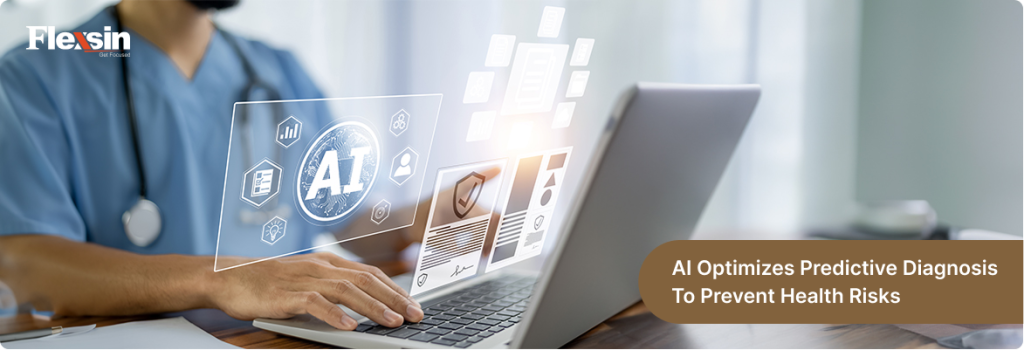
4. Real-World Use Cases:
To fully understand the power of AI predictive diagnosis, it’s essential to look at real-world examples of its application in healthcare. Here are a few use cases that demonstrate how Flexsin’s AI predictive diagnosis consulting services have been successfully implemented to optimize healthcare outcomes:
Case Study 1:
AI Predictive Diagnosis in Chronic Disease ManagementA healthcare organization working with Flexsin Technologies sought to improve its chronic disease management system. By implementing an AI predictive diagnosis solution, the organization was able to predict which patients were at risk of developing complications related to chronic conditions such as diabetes and heart disease.
The AI system was customized to analyze patient data, including medical histories, lifestyle factors, and genetic information, to identify those who required more intensive management. As a result, the healthcare organization not only improved patient outcomes but also achieved a more efficient use of resources.
Case Study 2:
AI for Early Cancer DetectionAnother healthcare provider approached us with a challenge – improving early cancer detection rates. By integrating an AI predictive diagnosis tool into their existing system, they were able to analyze radiology images and patient data to identify potential signs of cancer at the earliest stages.
The results were remarkable, with earlier detection leading to higher survival rates and more effective treatment options. Flexsin’s consulting services helped them integrate this AI system with minimal disruption, ensuring that their healthcare professionals could focus on delivering the best care possible while AI handled the heavy lifting.
5. How to Get Started with AI Predictive Diagnosis Adoption
Now that we’ve explored the benefits and real-world applications of AI predictive diagnosis, the question remains: how can healthcare organizations get started with implementing AI in their operations? The process may seem complex, but with the right strategy, businesses can quickly start reaping the benefits of AI-powered predictive tools.
Here are the steps to get started:
Assess Your Needs:Begin by evaluating your current systems and identifying where AI predictive diagnosis can have the most impact. Do you need AI for disease forecasting, clinical decision support, or healthcare workflow automation?
Choose the Right Partner:Partner with an experienced AI predictive diagnosis consulting services provider, such as Flexsin Technologies, to help you select and implement the right tools for your needs.
Customization and Integration:Ensure that the AI solution is customized to your specific needs and integrated smoothly into your existing systems to minimize disruption.
Scale as You Grow:As your organization grows, make sure your AI system can scale to handle increased data and more complex workflows. Flexsin offers scalable AI solutions that can grow with your business.
AI predictive diagnosis is transforming healthcare by providing the tools needed to predict, prevent, and treat diseases more effectively. However, overcoming the challenges of customization, integration, and scalability requires expert guidance. We offer tailored AI predictive diagnosis consulting services that help healthcare organizations unlock the full potential of AI to optimize outcomes, reduce costs, and enhance patient care.
Flexsin enhanced patient care through AI-powered predictive diagnosis, enabling early intervention and improved health outcomes for healthcare leaders like MD HealthTrak, Sando Surgical, and OCC Switzerland.
If your organization is ready to embrace the future of healthcare, contact Flexsin Technologies today to explore how our custom AI predictive diagnosis solutions can help you stay ahead of the curve and deliver exceptional care.
Ready to unlock the potential of AI predictive diagnosis for your healthcare organization? Start your transformation today with Flexsin Technologies and experience measurable results. Contact Us for a consultation or demo of our AI-powered solutions.
Frequently Asked Questions
1. What is AI predictive analytics in healthcare and why does it matter for businesses?AI predictive analytics uses advanced algorithms to evaluate historical and real-time healthcare data to forecast clinical and operational outcomes. It enables providers to anticipate risks instead of reacting after issues arise. This shift improves efficiency, reduces costs, and strengthens long-term care delivery models.
2. How can predictive analytics lower overall healthcare spending?By identifying potential health risks early, predictive models help avoid expensive emergency treatments and hospital admissions. Preventive interventions are typically less costly than reactive care. This approach improves cost control while maintaining high-quality patient outcomes.
3. How does AI-driven prediction improve clinical decision-making speed?AI systems analyze vast datasets in seconds, providing actionable insights to clinicians during critical moments. This reduces delays associated with manual data interpretation. Faster decisions translate into quicker treatments and improved operational throughput.
4. What measurable ROI can healthcare providers expect from AI predictive analytics?Organizations can see returns through reduced readmissions, optimized staffing, and better utilization of medical resources. Improved efficiency directly impacts revenue cycles and operational margins. Over time, these gains compound into significant financial and performance improvements.
5. How does predictive analytics improve patient experience and engagement?AI enables healthcare providers to deliver more personalized care recommendations based on individual risk profiles. Patients receive timely interventions and relevant communication, which builds trust. This leads to higher satisfaction rates and stronger long-term engagement.
6. Can AI predictive analytics shorten product and service innovation timelines?Yes, AI accelerates research and testing by quickly identifying patterns and potential outcomes. This reduces the time needed to validate new treatments, technologies, or care models. Faster innovation cycles help organizations stay competitive and responsive to market demands.
7. How does predictive analytics support large-scale healthcare operations?AI can process and analyze data across entire populations, identifying trends that inform strategic decisions. This helps organizations allocate resources more effectively and manage demand fluctuations. As a result, operations become more scalable without increasing overhead proportionally.
8. What operational improvements can hospitals achieve with predictive analytics?Hospitals can optimize scheduling, manage patient flow, and forecast resource needs more accurately. This reduces bottlenecks and improves service delivery efficiency. Streamlined operations lead to shorter wait times and better utilization of staff and infrastructure.
9. How does AI predictive analytics help reduce patient readmission rates?Predictive models can flag patients who are likely to experience complications after discharge. Healthcare teams can then implement targeted follow-ups and preventive care plans. This reduces avoidable readmissions and improves both clinical and financial outcomes.
10. What are the key considerations for implementing AI predictive analytics in healthcare?Organizations need reliable data infrastructure, seamless system integration, and compliance with healthcare regulations. Clear objectives and performance metrics are essential to measure success. Combining AI insights with clinical expertise ensures accuracy, trust, and long-term value.